
How AI Is Transforming Global Education: Opportunities, Challenges, and the Future of Learning
EDUCATIONFEATURED
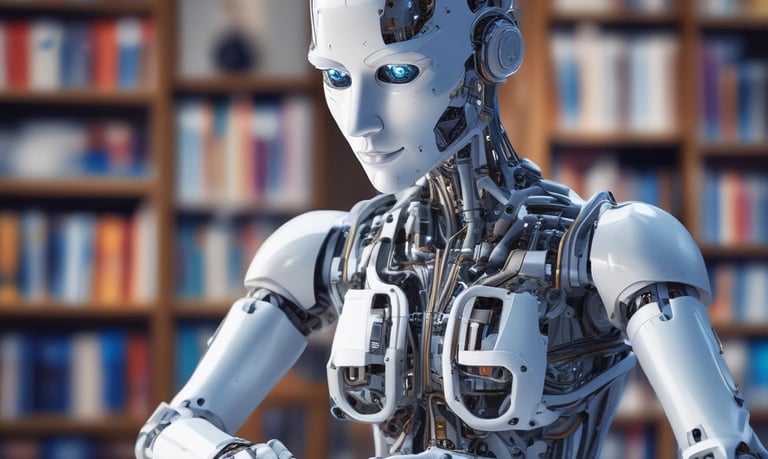
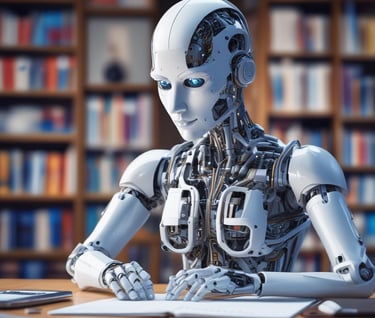
AI is transforming global education by enabling personalized learning, improving accessibility, supporting teachers, and creating engaging digital content. While it offers powerful opportunities, it also brings challenges such as academic integrity risks, data privacy concerns, and the digital divide. Discover how AI is reshaping the future of learning and why responsible adoption is essential for the next generation.
Artificial Intelligence (AI) is rapidly becoming a powerful force in modern education, reshaping how students learn, how teachers teach, and how institutions operate. Recognized as a transformative global “bastion” of innovation, AI-powered education is now essential for countries aiming to build advanced, future-ready learning ecosystems. While AI brings tremendous possibilities, it also introduces new challenges that must be addressed to ensure ethical and inclusive usage.
The Transformative Impact of AI in Education
AI is shifting education away from outdated “one-size-fits-all” models, enabling smarter, more responsive, and deeply personalized learning experiences.
1. Personalized Learning Experiences
AI-driven platforms analyze each student’s performance, strengths, and weaknesses to create tailored learning paths. This adaptive approach helps students learn at their own pace, improve retention, and build confidence through targeted support.
2. Improved Accessibility for All Learners
AI tools—such as automatic captions, text-to-speech systems, and instant translation in more than 140 languages—make education more inclusive. Students with disabilities and those facing language barriers gain equal access to high-quality learning materials.
3. Reduced Teacher Workload and Better Support
By automating grading, attendance, content generation, and lesson planning, AI frees educators from time-consuming administrative tasks. This allows teachers to focus on creative instruction, mentorship, and student well-being.
4. Engaging, Interactive, and Immersive Content
AI powers educational games, virtual reality simulations, and AI-generated video lessons featuring lifelike virtual characters. These interactive tools boost student engagement and make complex subjects easier to understand.
5. Early Detection and Intervention
AI analytics can identify struggling students early, helping educators offer timely support. Early intervention improves academic outcomes, reduces dropout rates, and promotes long-term success.
Challenges and Ethical Concerns in AI-Driven Education
As AI continues to accelerate, the education sector faces critical challenges that must be managed carefully.
1. Academic Integrity Risks
AI writing and coding tools make it easier for students to bypass genuine learning. Schools must develop new assessment strategies and academic honesty policies to protect integrity.
2. The Widening Digital Divide
Access to AI-powered learning requires devices, connectivity, and infrastructure. Without investment, low-income students risk falling behind, deepening educational inequality.
3. Reduced Human Interaction
Overdependence on AI, especially in early childhood education, may limit social development and reduce essential face-to-face learning moments that build emotional intelligence.
4. Data Privacy and Algorithmic Bias
AI systems collect sensitive student data. Without strong safeguards, risks include privacy breaches, data misuse, or biased algorithms unfairly affecting assessments and opportunities.
5. Need for Regulation and AI Literacy
Experts emphasize the need for clear government policies, ethical frameworks, and AI literacy training for teachers and students. Responsible use must be taught just like any other core skill.
The Future of AI in Education
AI is undoubtedly a driving force shaping the next generation of global learning. Countries that modernize their education systems with responsible and inclusive AI adoption will gain a significant advantage in innovation, economic growth, and workforce readiness.
The future belongs to education systems that embrace collaboration with technology—not competition. When used wisely, AI enhances human potential, supports educators, and empowers students to thrive in an increasingly digital world.